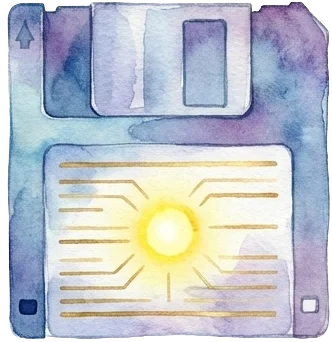
Recall
Memory activated
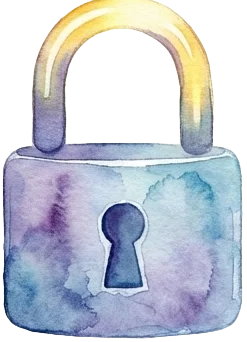
Labile State
Open to change

New Input
Calm from Tapping
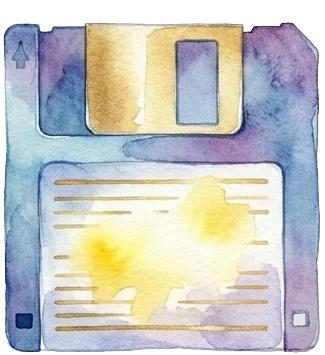
Reconsolidate
Updated memory stored
Why Tapping results last—and why it's not just suppression.
Memory activated
Open to change
Calm from Tapping
Updated memory stored
 60-Second Overview
 When you recall a memory, it briefly becomes "unstable"—open to modification before being stored again. This is called memory reconsolidation. Tapping leverages this window: you recall a stressful memory while simultaneously experiencing calm. The brain then stores the memory with the new, calm emotional tag. The memory itself remains, but its emotional charge is transformed.

Focus on the specific stressful event, feeling, or trigger while rating its intensity.
Tapping introduces a calming signal that contradicts the expected stress response.

The brain reconsolidates the memory with the new emotional information attached.
"Memory reconsolidation allows the emotional significance of a memory to be altered without erasing the memory itself. The event is still remembered, but its power to trigger a stress response is diminished or eliminated."
— Ecker, Ticic & Hulley, Unlocking the Emotional Brain
Many people are surprised that a single Tapping session can produce permanent change. Memory reconsolidation explains why:
Landmark study proving memories become labile upon recall and can be modified before reconsolidation.
Established the "mismatch" requirement—new contradictory experience is essential for reconsolidation.
EFT combines all the elements needed for memory reconsolidation: (1) activation of the target memory, (2) a powerful contradictory experience (calm from Tapping), and (3) sufficient repetition within the labile window. This may explain why EFT often works faster than traditional talk therapy.
Important Notice: The Tapping Solution App is intended for general wellness purposes, including stress management and emotional wellness support. It is not intended to diagnose, treat, cure, or prevent any disease or medical condition. If you have been diagnosed with a medical or mental health condition, please consult with your healthcare provider. This app is not a substitute for professional medical advice, diagnosis, or treatment.