I know what it's like when you have a to-do list but can't make yourself start. When you keep saying "I'll do it later" and later never comes. When everyone thinks you're lazy but you know it's not that—something deeper is blocking you.
The thing about procrastination is that it's not a time management problem—it's an emotional regulation problem. There's fear underneath. Fear of failing. Fear of not being good enough. Fear of being seen. Your nervous system has learned that taking action feels dangerous, so it keeps you stuck.
These stories are from people who finally broke through—not by forcing themselves harder, but by releasing the emotional blocks that were holding them back.
Love it. Didn't want to get out of bed today. Now I feel inspired to take on my day!
— Steven, App UserImportant Medical Notice
If chronic lack of motivation is affecting your daily functioning, or if you're experiencing symptoms of depression, please consult a healthcare provider. The Tapping Solution App is designed for general wellness purposes. It is not intended to diagnose, treat, cure, or prevent any medical condition, and should not replace professional medical or mental health treatment.
Here's what's actually happening when you procrastinate: your brain has associated taking action with some form of threat or discomfort. Maybe it's fear of judgment. Maybe it's perfectionism telling you it won't be good enough. Maybe it's overwhelm because the task feels too big.
Whatever the root cause, your nervous system has one job: keep you safe. And right now, it thinks that staying stuck is safer than moving forward. That's why willpower and motivation speeches don't work—you're fighting against your own biology.
Tapping works because it addresses the emotional charge underneath the resistance. When you tap while thinking about the task you're avoiding, you're desensitizing your nervous system to the threat. The fear dissolves. The block lifts. And suddenly, taking action doesn't feel so hard anymore.
Over 450,000 motivation and productivity sessions completed, with users reporting significant reductions in resistance and increased follow-through.
Based on user session data and feedback
The most common block to productivity isn't laziness—it's the belief that if you can't do it perfectly, you shouldn't do it at all.
Breaking Free from Perfectionism
"My perfectionism gets in my way throughout my day. Then I never accomplish what I set out to do. After doing this meditation, my mind was clear, relaxed. I'm looking forward to changing my mindset."
Cindy's stress dropped from 10 to 1 after one session. She added: "I will continue to come back to this meditation today & as long as I need to."
Start with this session:
► Motivate Me To Have a Productive Day 559K+ sessionsThe people who break through procrastination aren't the ones who find better productivity systems or motivation tricks. They're the ones who address the emotional block underneath—the fear, the perfectionism, the overwhelm. Tapping helps you release what's really keeping you stuck.
What would your life look like if you could just... start? If the resistance wasn't there? If you could trust that "good enough" is actually good enough?
— Reflection for procrastinators
You don't need more willpower. You need to release the emotional block that's keeping you frozen.
These are the sessions that helped Maria, Cindy, Milan, and thousands of others finally break through their blocks.
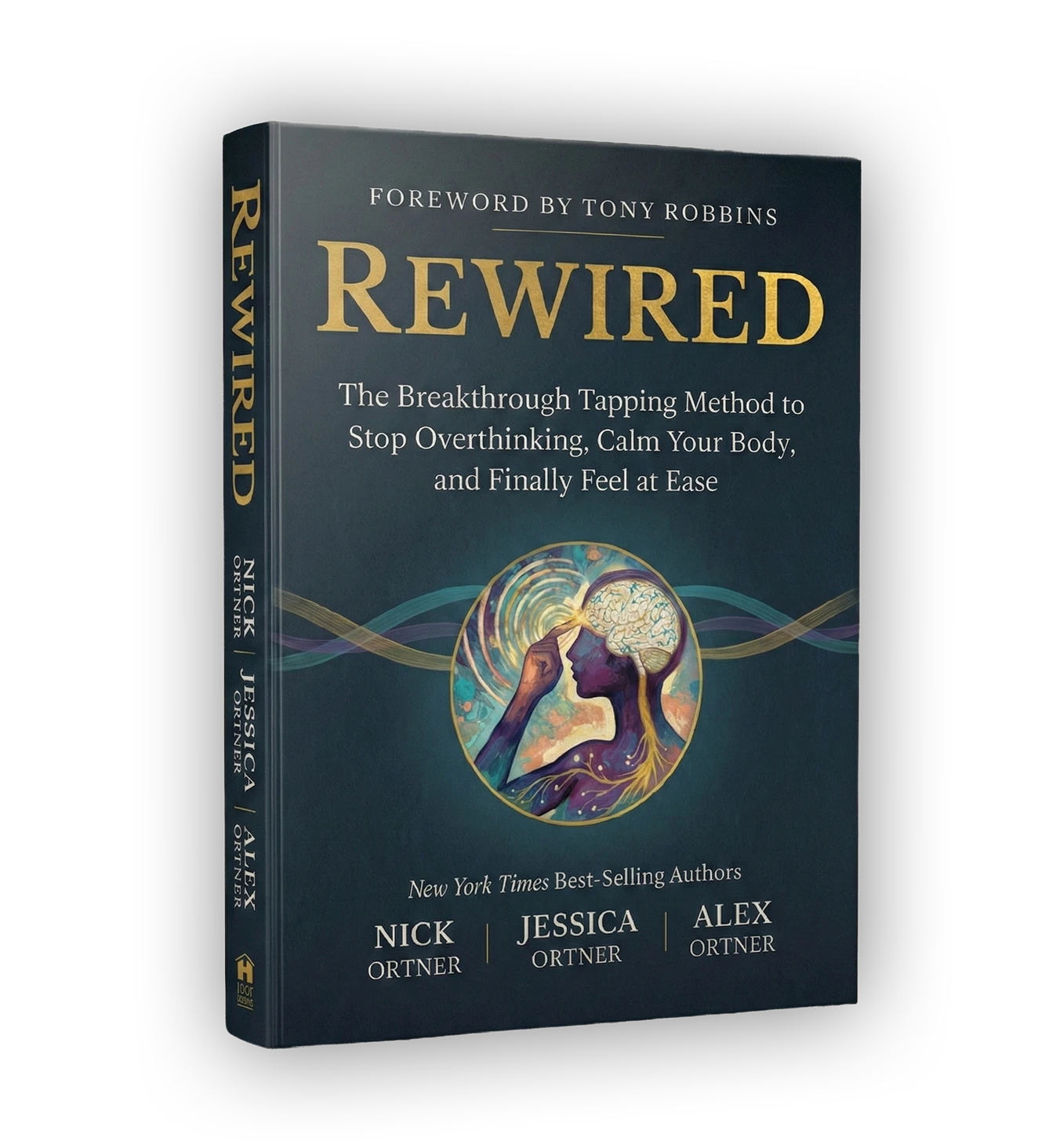
Recommended for motivation:From Rewired · Chapter 10: Finding Your Flow AgainProcrastination isn't a character flaw. It's your nervous system trying to protect you from something—failure, judgment, overwhelm. Tapping helps you identify what you're really afraid of and release it.
We explain how motivation blocks are nervous system patterns—not laziness—and the exact process for rewiring your default responses.
When you procrastinate, your nervous system has associated taking action with some form of threat—failure, judgment, overwhelm, or not being "good enough." Forcing yourself creates more stress, which makes the resistance stronger. Tapping works differently. Instead of fighting through the block, you address the emotional charge underneath it. When the fear dissolves, action becomes natural again.
Many people feel a shift within a single session—often within 10 minutes. Our "Motivate Me To Have a Productive Day" session shows an average 3.0 point stress reduction (from 6.5 to 3.5), with users reporting they feel ready to take action immediately after. For chronic procrastination patterns, consistent daily practice helps rewire the deeper emotional patterns that keep you stuck.
No. Laziness implies you don't care. Procrastinators often care deeply—that's part of the problem. You want it to be perfect. You're afraid of failing. You're overwhelmed by how much it matters. Procrastination is an emotional regulation problem, not a character flaw. Your nervous system is trying to protect you from something. Tapping helps you identify and release what that something is.
The app has specific sessions for different needs: "Motivate Me to Work" (69K completed), "Motivate Me to Exercise" (48K completed), "Motivate Me to Write" (15K completed), and more. You can also use any motivation session while thinking about your specific task. The Tapping addresses the resistance you feel, regardless of what you're avoiding.
Absolutely—this is one of the best times to tap. A quick 7-minute "Instant Boost of Focus" session right before you need to work can clear the mental fog and resistance that's blocking you. Many users tap first thing in the morning with "Motivate Me To Have a Productive Day" to set up their whole day for success.
Important Notice: The Tapping Solution App is intended for general wellness purposes, including stress management and emotional wellness support. It is not intended to diagnose, treat, cure, or prevent any disease or medical condition. If you have been diagnosed with a medical or mental health condition, please consult with your healthcare provider. This app is not a substitute for professional medical advice, diagnosis, or treatment.